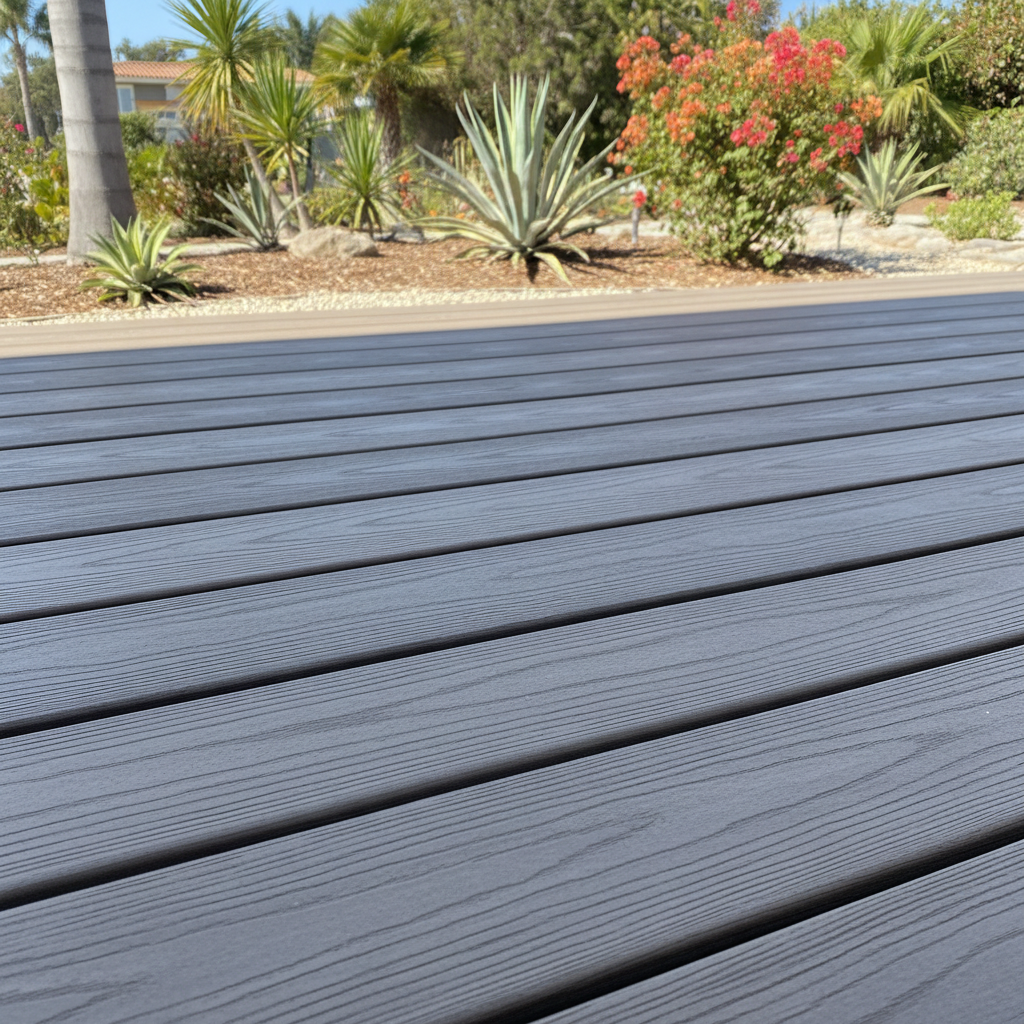
So, you're thinking about a composite deck for your place here in Encinitas. Smart move. They're popular for good reason, especially with our coastal climate – way less upkeep than wood, and they stay looking sharp for years. But hold on a second. Before you dive in, there are a few things you really should know. I've seen a ton of decks go up around here, from Leucadia all the way to Olivenhain, and I can tell you what works and what absolutely doesn't.
Before You Start: Planning Your Composite Deck
First off, don't just pick a color and call it done. This is a big investment, you know? A little planning now saves a lot of headaches later. Really think about how you'll use the deck. Is it mostly for grilling and having friends over? Or more for those quiet morning coffees? That'll pretty much decide the size, the layout, and even the kind of railing you'll want.
Here's what you need to consider:
- Permits: Ugh, paperwork, right? But you'll almost certainly need a permit from the City of Encinitas for any new deck or even a big change to an existing one. Seriously, don't skip this. Building without one can cause massive problems down the road, especially when you decide to sell your house.
- Substructure: This is a huge deal. Composite decking is only as good as what's holding it up underneath. You need a solid, properly spaced, and correctly flashed substructure. If you're replacing an old wood deck, you might be able to reuse some of the existing frame, but often, it's smarter to just start fresh or really beef it up. Rotting joists are a definite no-go, and trust me, I've seen plenty of them under old decks, especially in those shady, damp spots.
- Material Selection: There are tons of composite brands out there – Trex, TimberTech, Fiberon, you name it. They all have different looks, warranties, and price tags. Some are solid, others are hollow; some have a cap on all four sides, some just on the top and sides. Do your homework. Get samples. See how they look in different light, how they feel when you walk on them.
- Budget: Composite costs more upfront than pressure-treated wood, but you save on staining and sealing every couple of years. Make sure to factor in the cost of the decking boards, fasteners, substructure materials, railings, and any special touches like lighting or built-in benches.
During the Project: DIY or Call a Pro?
This is where a lot of homeowners get stuck. Can you build a composite deck yourself? Maybe. Can you build a good composite deck yourself? That's a whole different question.
What you can realistically DIY:
- Demolition: Tearing out an old deck? If you're reasonably handy and have the right tools, you can probably handle this. Just watch out for nails and make sure you're getting rid of materials properly.
- Simple Railing Installation: Some pre-fabricated railing systems are pretty straightforward to put together and install, especially if your deck is just a basic rectangle.
- Deck Board Installation (with caveats): If your substructure is perfectly square and level, and you're comfortable with a miter saw and a drill, laying the boards can be done. But composite boards have specific gaps for expansion and contraction, and getting those hidden fasteners just right takes some practice.
When you absolutely need a pro:
- Substructure Construction: This is the backbone of your deck, period. Getting the footings, posts, beams, and joists correctly sized, spaced, and secured is absolutely critical for safety and how long it lasts. This isn't just about cutting wood; it's about structural integrity, load bearing, and local building codes. If you mess this up, your deck won't last, and it could even be dangerous.
- Complex Designs: If you're dreaming of curves, multi-level decks, or intricate patterns, that's definitely pro territory. Cutting composite accurately for angles and curves requires specialized tools and expertise.
- Stairs: Building safe, comfortable stairs with the right rise and run? That's both an art and a science. Don't take chances with stairs.
- Permit Navigation: While you can apply for permits yourself, a good contractor like us at Peak Deck Solutions knows the drill with the City of Encinitas planning department. We can often make the process smoother and ensure everything meets code.
Honestly, for most homeowners, I'd suggest handling the demolition and maybe some of the simpler finishing touches. But for the structural stuff, the framing, and making sure everything is perfectly level and square, hire a professional. It'll save you headaches, time, and potentially costly mistakes.
After the Build: Maintaining Your Composite Deck
The best part about composite? Low maintenance. But